What Traditional Values Really Mean in Eastern Europe Today
Traditional values in Eastern Europe are not a museum piece - they are daily habits around family, faith and honesty that now sit comfortably beside university degrees and demanding careers.
Introduction
Traditional values in Eastern Europe describe how people actually live, not a slogan about the past. They show up in who gets consulted before a big decision, which holidays the whole family clears its calendar for, and how quickly a woman expects you to say what you genuinely want from a relationship. For an American man who has spent a few years on swipe apps, that directness feels unfamiliar for about a week - and then it feels like relief.
This article separates the cliché from the culture. Eastern European dating culture is shaped by a blend of Orthodox Christianity, Catholicism and lingering influences from the communist era, combined with modern social energy. The region is also genuinely diverse, with some communities holding tightly to faith and heritage, including Muslim communities in Eastern Europe. If you are already reading profiles on our Slavic dating platform, treat this as the cultural briefing that should come first.
The Role of Family and Religion
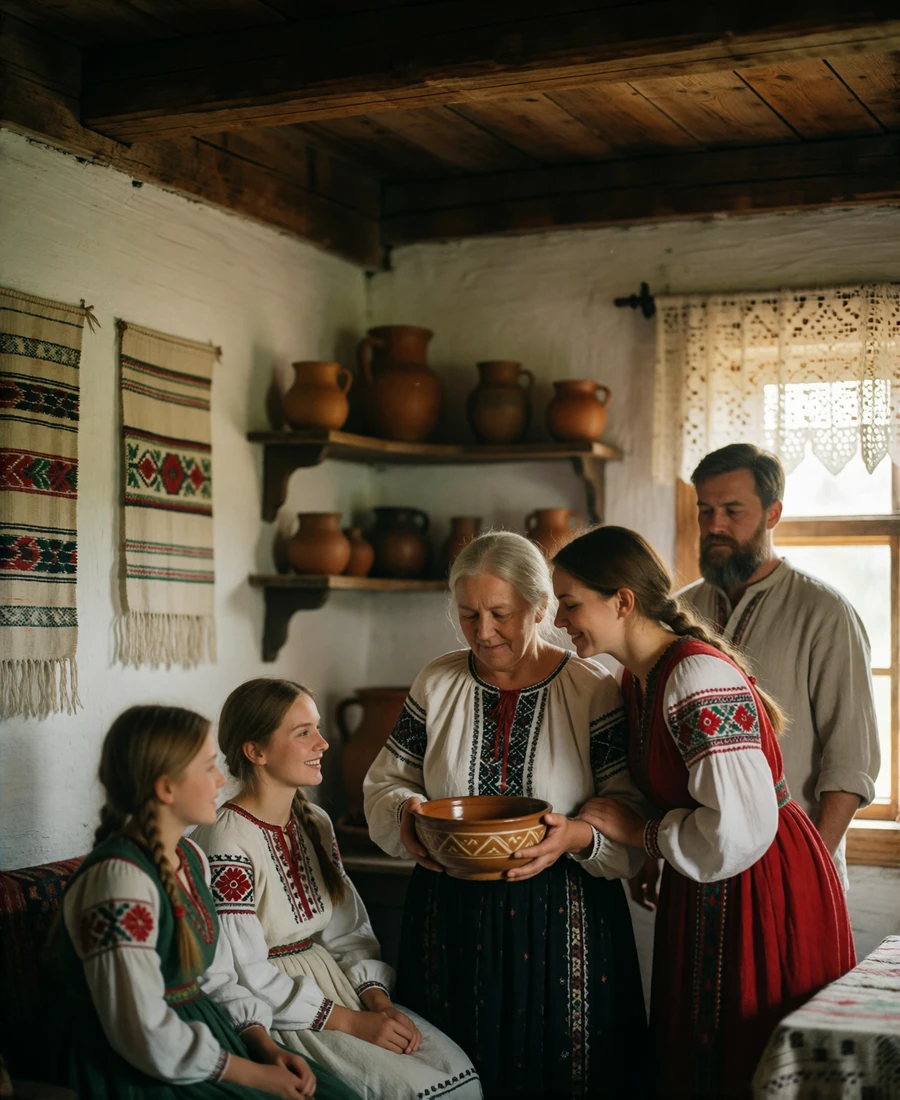
Family is the organizing unit of Slavic family values, and religion supplies its calendar. Family bonds are described as unshakable in Eastern European dating culture: discussions about family often arise early in a relationship, and meeting her parents can happen sooner than Western daters expect. That is especially true for women from Odessa, where family values bring much of the warmth and meaning to a relationship.
The numbers back up the habit. According to Eurostat (2023), 42% of households across the Balkans are multi-generational - grandparents, parents and children under one roof, sharing meals, childcare and decisions. In that setting, a partner is never evaluated in isolation.
- Multi-generational households. Your relationship joins an existing household rhythm rather than replacing it.
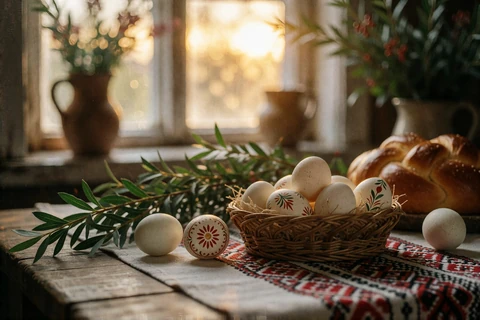
- Holiday rituals that anchor the year. Easter brings hand-painted eggs hidden as a scavenger-hunt-style art project for the children; Christmas means an extensive dinner feast with abundant leftovers, and everyone is expected at the table.
- Respect toward parents. Her mother's opinion carries weight, and asking about her family early reads as interest, not intrusion.
Here's the thing: an invitation to a family meal is a milestone, not small talk. Our guide to the role of family and marriage intentions in Eastern European dating explains how to read that signal without overplaying it.
Modern Changes in Society
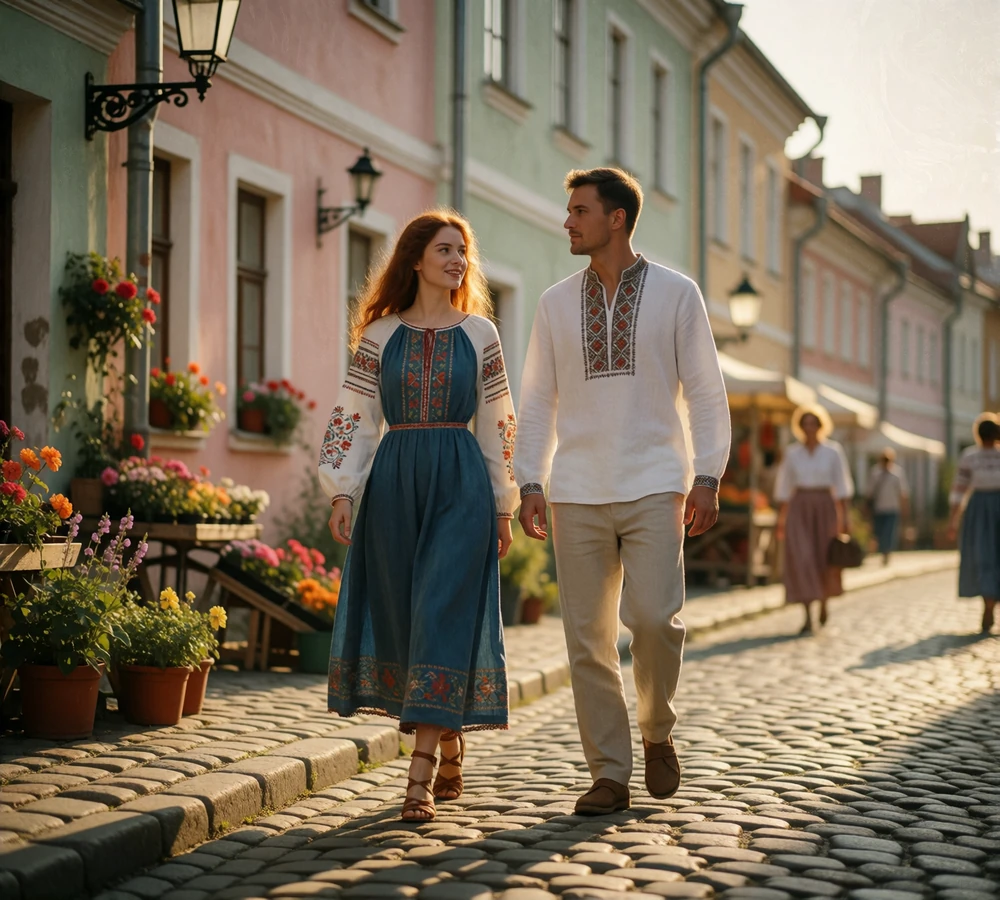
Tradition and ambition are not in conflict here - they run in parallel. Per UNESCO 2025 data, 67% of Eastern European women hold university degrees, a higher rate than men in the same countries. Among working Ukrainian women specifically, 56% hold higher education compared with 43% of men. The woman writing to you is far more likely to be a professional with her own income than the passive stereotype exported by bad journalism.
What does this mean in practice? Three things worth remembering before your first message:
- She is choosing you, not applying to you. Financial rescue is not the frame.
- Her career and her family plans coexist; asking about both shows you were paying attention.
- Modern social energy sits on top of older religious rhythms, so the same woman may work late on Friday and attend a family Easter on Sunday.
Regional differences matter too. The Catholic thread runs strongest through Polish dating culture, while Orthodox holidays and a warmer, more expressive courtship style shape Ukrainian dating. Treating "Eastern Europe" as one interchangeable culture is the fastest way to sound like every other man in her inbox.
Practical conduct
Advice for Men Who Value the Same Things
If traditional values are what drew you here, these three habits translate them into behavior she can actually observe.
Sincerity
Ask about her family early and remember the answers. In a culture where family discussions arise in the first weeks, curiosity about her parents and her home town reads as respect. Vague flattery does not - specificity does.
Consistency
Show up the same way every week. Reliability outranks grand gestures in households built on shared routines and holiday obligations. Steady messages, kept promises and a predictable rhythm build far more trust than an expensive surprise.
Direction
State your intentions plainly. Because marriage and family enter conversation earlier here than in American dating, saying that you are looking for a serious relationship is normal, not heavy. Ambiguity is what feels disrespectful.
Direct answers
People Also Ask
What are traditional values in Slavic culture?
Traditional values in Slavic culture center on family loyalty, religious holiday rituals and open intentions. Eastern European dating culture blends Orthodox Christianity, Catholicism and lingering influences from the communist era with modern social energy. In practice that means unshakable family bonds, early conversations about family, and courtship that moves toward commitment rather than staying deliberately undefined.
Are family introductions really that early?
Yes. Discussions about family often arise early in a relationship, and meeting her parents can happen sooner than Western daters expect - a pattern noted especially for women from Odessa. Treat the invitation as a sign of serious interest and prepare accordingly.
Why do holidays matter so much?
Holidays are where family bonds are performed. Easter brings painted eggs hidden as a scavenger-hunt-style art project, and Christmas an extensive dinner feast with abundant leftovers. Being included in either is an unmistakable statement about your place in her life.
Continue the briefing
Related Reading
Straight answers
Frequently Asked Questions
Are traditional values disappearing in Eastern Europe?
No - they are coexisting with modern life rather than fading. Eastern European dating culture blends Orthodox Christianity, Catholicism and lingering influences from the communist era with modern social energy. Eurostat (2023) still records 42% of Balkan households as multi-generational, so the family structure that carries those values remains firmly in place.
How important is religion in Eastern European relationships today?
Religion functions mostly as a shared calendar and moral vocabulary. Orthodox and Catholic traditions shape the year through Easter and Christmas gatherings, while some communities - including Muslim communities in Eastern Europe - hold tightly to faith and heritage. Ask which traditions her family keeps instead of assuming a single regional answer.
Do educated Eastern European women still want family life?
Yes, and the two goals are not treated as a trade-off. Per UNESCO 2025 data, 67% of Eastern European women hold university degrees, more than men in the same countries; among working Ukrainian women, 56% hold higher education against 43% of men. Career and family orientation are held together, not exchanged.
How soon will I be expected to meet her parents?
Sooner than most American daters expect. Family discussions often arise early in a relationship, and an introduction can follow within the first months - a pattern noted especially for women from Odessa. If you are invited, bring something modest for the table and treat it as a serious step.
Conclusion: Values You Can Actually Build On
Traditional values in Eastern Europe are practical, not decorative. They mean her family will know your name early, that holidays will be attended in person, and that she will expect you to be clear about where this is going. They also mean you are meeting an educated professional who chose this conversation deliberately. That combination - Slavic family values plus modern independence - is exactly what most men leave swipe culture looking for. When you are ready to move from reading to meeting, the verified profiles on our Slavic dating platform are the practical next step.